

As a seasoned semi - trailer supplier, I understand the importance of being well - informed about emergency procedures for semi - trailers on the road. Semi - trailers are a crucial part of the transportation industry, carrying a wide range of goods across long distances. However, due to their large size and heavy loads, they are also more prone to certain emergencies compared to regular vehicles. In this blog, I will share some essential emergency procedures that every semi - trailer driver and owner should know.
Tire Blowouts
Tire blowouts are one of the most common emergencies that semi - trailer drivers may encounter. A sudden tire blowout can be extremely dangerous, as it can cause the driver to lose control of the vehicle. When a tire blows out, the first thing to do is to stay calm. Do not panic and jerk the steering wheel. Instead, hold the steering wheel firmly with both hands to keep the semi - trailer moving in a straight line.
Gradually release the accelerator pedal. Do not slam on the brakes immediately, as this can cause the semi - trailer to skid or jackknife. As the speed of the vehicle decreases, gently apply the brakes. Once the semi - trailer has slowed down to a safe speed, pull over to the side of the road as far away from traffic as possible.

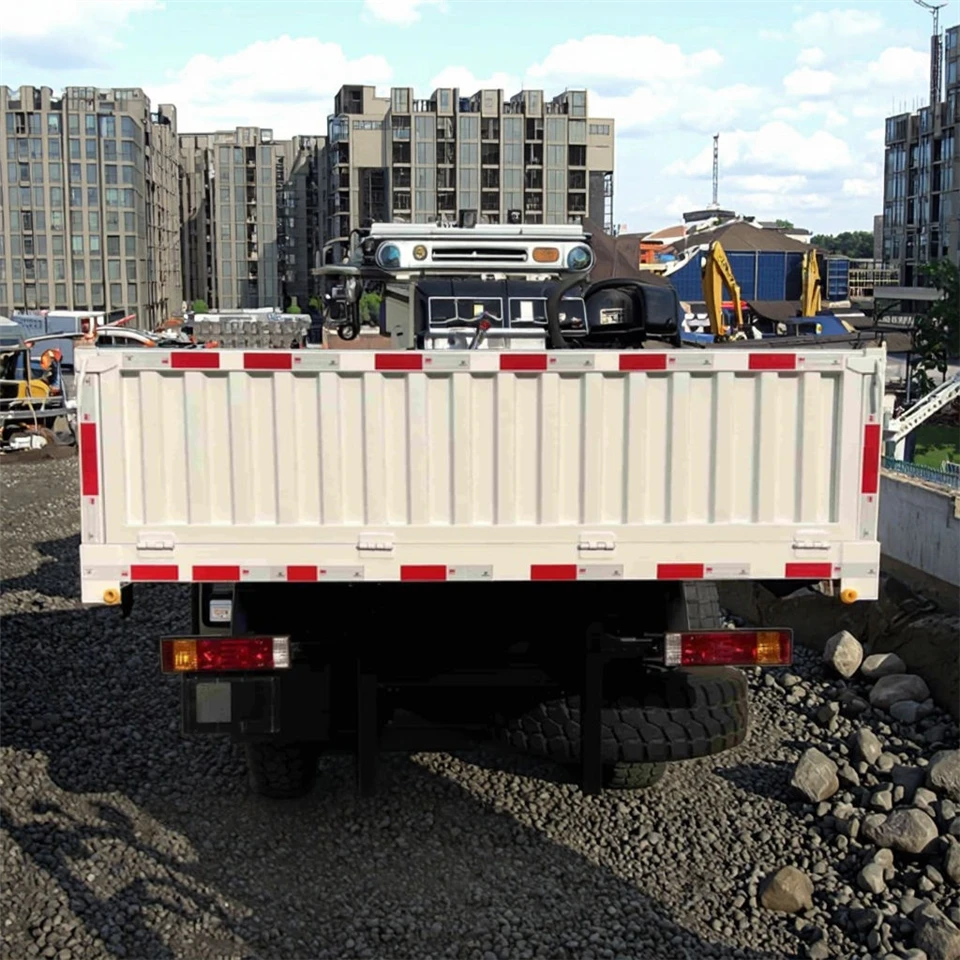
After safely pulling over, set up warning triangles or flares at a safe distance behind the semi - trailer to alert other drivers. Check the tire and if you are trained and equipped to do so, you can attempt to change the tire. However, if you are not confident, it is best to call for professional roadside assistance. We offer a variety of high - quality tires for semi - trailers, and you can find more information about our products on our website. For example, our SHACMAN 10 - wheel Cargo Truck is equipped with durable tires suitable for long - distance transportation.
Brake Failures
Brake failures are another serious emergency. If you notice that your brakes are not working properly, such as a spongy brake pedal or a lack of braking power, you need to act quickly. First, downshift the gears to slow down the semi - trailer. Engine braking can be very effective in reducing speed.
Look for an escape route or an area where you can safely stop the vehicle. This could be an empty field, a soft shoulder, or a truck escape ramp if available. Use your horn and turn signals to alert other drivers of your situation.
If you are approaching a steep downhill, try to find a lower - gear ratio to control the speed. Do not rely solely on the emergency brake, as it may not be sufficient to stop the large and heavy semi - trailer. Once you have safely stopped the vehicle, do not attempt to drive it again until the brakes have been thoroughly inspected and repaired by a professional mechanic. Our Rear Dump Semi - trailer is designed with high - quality braking systems, but regular maintenance is still essential to prevent brake failures.
Fire Emergencies
Fires in semi - trailers can be caused by various factors, such as electrical problems, overheating brakes, or flammable cargo. If you detect a fire in the semi - trailer, the first step is to safely pull over to the side of the road and evacuate all passengers and yourself from the vehicle.
Do not attempt to fight the fire if it is large or out of control. Instead, call the fire department immediately. If the fire is small and you have a suitable fire extinguisher on board, you can try to extinguish it. Aim the extinguisher at the base of the fire and sweep from side to side.
Make sure to keep a safe distance from the burning semi - trailer and warn other drivers to stay away. After the fire is extinguished or the fire department has arrived, do not re - enter the vehicle until it has been inspected by a professional. Our 10 Ton Large Capacity Refrigerated Truck is equipped with fire - prevention features, but it is still important to be prepared for fire emergencies.
Cargo Shifting
Cargo shifting can occur during transit, especially if the cargo is not properly secured. When cargo shifts, it can affect the balance and stability of the semi - trailer, increasing the risk of rollovers. If you notice that the semi - trailer is handling differently, such as pulling to one side or having an uneven ride, it could be a sign of cargo shifting.
Slow down the vehicle gradually and pull over to a safe location. Do not make any sudden movements or sharp turns. Once you have stopped, inspect the cargo to determine the extent of the shifting. If the cargo is light and you are able to re - secure it, you can do so. However, if the cargo is heavy or complex, it is best to call for professional help.
Properly securing the cargo before transportation is crucial to prevent cargo shifting. We provide a range of cargo - securing equipment and offer training on how to properly load and secure cargo in semi - trailers.
Collisions
In the event of a collision, the first priority is to ensure the safety of everyone involved. Check yourself and any passengers for injuries. If anyone is injured, call for emergency medical services immediately.
Move to a safe location away from traffic. Do not stay in the middle of the road. Set up warning triangles or flares to alert other drivers. Exchange information with the other parties involved in the collision, including names, contact information, insurance details, and license plate numbers.
Take photos of the accident scene, including the damage to the vehicles and the position of the vehicles. This information will be useful for insurance claims. Report the accident to the police as soon as possible.
Inclement Weather
Driving a semi - trailer in inclement weather, such as heavy rain, snow, or fog, can be extremely challenging. In heavy rain, reduce your speed and increase your following distance. Wet roads can reduce traction, making it easier for the semi - trailer to skid.
In snow or ice, use tire chains if necessary. Slow down significantly and be extra cautious when braking and turning. Fog can reduce visibility, so use your low - beam headlights and fog lights. If the visibility is too poor, it may be safer to pull over and wait for the weather to improve.
We offer semi - trailers with features designed to enhance safety in various weather conditions. For example, our trailers are equipped with advanced lighting systems and anti - skid technologies.
Maintenance and Preparation
Preventing emergencies is always better than dealing with them. Regular maintenance of the semi - trailer is essential. This includes checking the tires, brakes, lights, and cargo - securing equipment on a regular basis. Make sure to follow the manufacturer's recommended maintenance schedule.
Before each trip, conduct a pre - trip inspection. Check the fluid levels, tire pressure, and the overall condition of the semi - trailer. Make sure the cargo is properly loaded and secured.
In conclusion, being prepared for emergencies is crucial when operating a semi - trailer on the road. By following these emergency procedures and taking preventive measures, you can reduce the risk of accidents and ensure the safety of yourself, your passengers, and other road users.
If you are interested in purchasing high - quality semi - trailers or need more information about our products and services, please feel free to contact us. We are always ready to assist you with your semi - trailer needs and look forward to discussing potential partnerships with you.
References
- Federal Motor Carrier Safety Administration (FMCSA). "Safety Regulations for Commercial Motor Vehicles."
- American Trucking Associations (ATA). "Best Practices for Truck Drivers."
- National Highway Traffic Safety Administration (NHTSA). "Vehicle Safety Guidelines."