

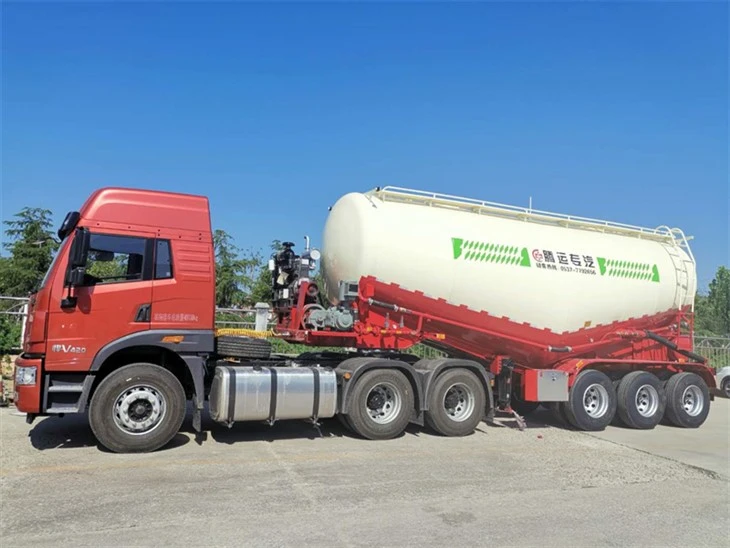
Installing additional equipment on a cement tank trailer can significantly enhance its functionality, efficiency, and safety. As a reputable Cement Tank Trailer supplier, I understand the importance of this process and am here to guide you through the steps. In this blog, I'll share some valuable insights on how to install additional equipment on your cement tank trailer.
Understanding the Need for Additional Equipment
Before diving into the installation process, it's crucial to understand why you might need additional equipment on your cement tank trailer. Additional equipment can serve various purposes, such as improving the loading and unloading process, enhancing safety features, or increasing the trailer's capacity. For example, installing a high - pressure air compressor can speed up the unloading of cement powder, while adding a level sensor can accurately monitor the amount of cement in the tank.
Planning the Installation
The first step in installing additional equipment is careful planning. You need to assess the compatibility of the new equipment with your existing cement tank trailer. Consider factors like the trailer's size, weight capacity, and the available space for installation. Check the electrical and mechanical systems of the trailer to ensure they can support the new equipment.
For instance, if you plan to install a new control panel, you need to make sure there is enough wiring capacity and that the panel can be properly integrated with the trailer's existing control systems. Also, create a detailed installation plan that includes a timeline, a list of required tools, and the sequence of installation steps.
Preparing the Trailer
Once you have a plan in place, it's time to prepare the trailer for installation. Start by thoroughly cleaning the area where the new equipment will be installed. Remove any dirt, debris, or rust that could interfere with the installation process.
If you're installing equipment that requires welding or drilling, you need to ensure the trailer's structure can withstand these operations. Check the integrity of the tank and the frame to prevent any damage during installation. You may also need to disconnect the trailer's power source and other essential systems to avoid any electrical hazards.
Selecting the Right Equipment
As a Cement Tank Trailer supplier, I always emphasize the importance of choosing high - quality equipment. Look for equipment that is specifically designed for use with cement tank trailers. Consider the reputation of the manufacturer, the equipment's durability, and its performance.
For example, when selecting an air compressor for cement unloading, choose one that has the right pressure and flow rate for your trailer's size. You can find a wide range of suitable equipment by exploring our Powder Material Transport Truck and Cement Tank Trailer product pages, which offer a variety of options to meet your specific needs.
Installation Process
The installation process will vary depending on the type of equipment you're installing. However, here are some general steps:
Mounting the Equipment
For equipment like sensors or control panels, use the appropriate mounting brackets. Ensure that the equipment is securely fastened to the trailer. Use bolts, screws, or welding as required, following the manufacturer's instructions.
Connecting Electrical and Mechanical Systems
If the equipment requires electrical power or mechanical connections, make sure to do it correctly. Follow the wiring diagrams provided by the equipment manufacturer. Use insulated wires and proper connectors to prevent short - circuits. For mechanical connections, ensure that all joints are tight and properly aligned.
Testing the Equipment
After installation, it's essential to test the new equipment. Check if it is functioning properly and if it is integrated well with the trailer's existing systems. For example, if you installed a new unloading valve, test it by running a small amount of cement through the system. Make any necessary adjustments to ensure optimal performance.
Safety Considerations
Safety should be your top priority during the entire installation process. Wear appropriate safety gear, such as gloves, safety glasses, and hard hats. Follow all safety regulations and guidelines.
If you're working with electrical systems, make sure to follow electrical safety protocols. When using tools, ensure they are in good working condition. Also, if the installation involves working at heights or in confined spaces, take extra precautions.

Maintenance and Inspection
Once the additional equipment is installed, regular maintenance and inspection are necessary. Check the equipment for any signs of wear and tear, loose connections, or leaks. Follow the manufacturer's recommended maintenance schedule.
For example, if you installed an air compressor, regularly check the oil level, clean the air filters, and inspect the hoses for any damage. By keeping the equipment well - maintained, you can ensure its long - term performance and reliability.
Conclusion
Installing additional equipment on a cement tank trailer can bring many benefits, but it requires careful planning, the right equipment, and proper installation techniques. As a Cement Tank Trailer supplier, I have the expertise and resources to help you with this process.
If you're interested in enhancing your cement tank trailer with additional equipment or are looking to purchase a new Cement Tank Trailer, we are here to assist you. Our products, such as the Shacman Delong M3000 340 Horsepower Concrete Mixer Truck, are designed to meet the highest standards of quality and performance.
Don't hesitate to contact us for more information or to start a procurement discussion. We look forward to working with you to meet your transportation needs.
References
- Industry standards for cement tank trailer equipment installation
- Manufacturer's manuals for the additional equipment
- Safety regulations for industrial equipment installation