

As a truck supplier, I often get asked about the recommended oil change interval for trucks. It's a crucial question because proper oil maintenance can significantly impact the performance, longevity, and reliability of your truck. In this blog post, I'll break down the factors that influence oil change intervals and give you some general guidelines to keep in mind.
Why is Oil Change Important?
Before we dive into the intervals, let's quickly talk about why changing your truck's oil is so important. Oil serves several key functions in your truck's engine. It lubricates the moving parts, reducing friction and wear. This is super important because less friction means less heat, and less heat means your engine runs more efficiently. Oil also helps to clean the engine by carrying away dirt, debris, and other contaminants. Over time, these contaminants can build up and cause damage to the engine if not removed. Additionally, oil helps to cool the engine by transferring heat away from the critical components.
Factors Affecting Oil Change Intervals
There isn't a one - size - fits - all answer when it comes to oil change intervals for trucks. Several factors come into play:
1. Truck Type and Usage
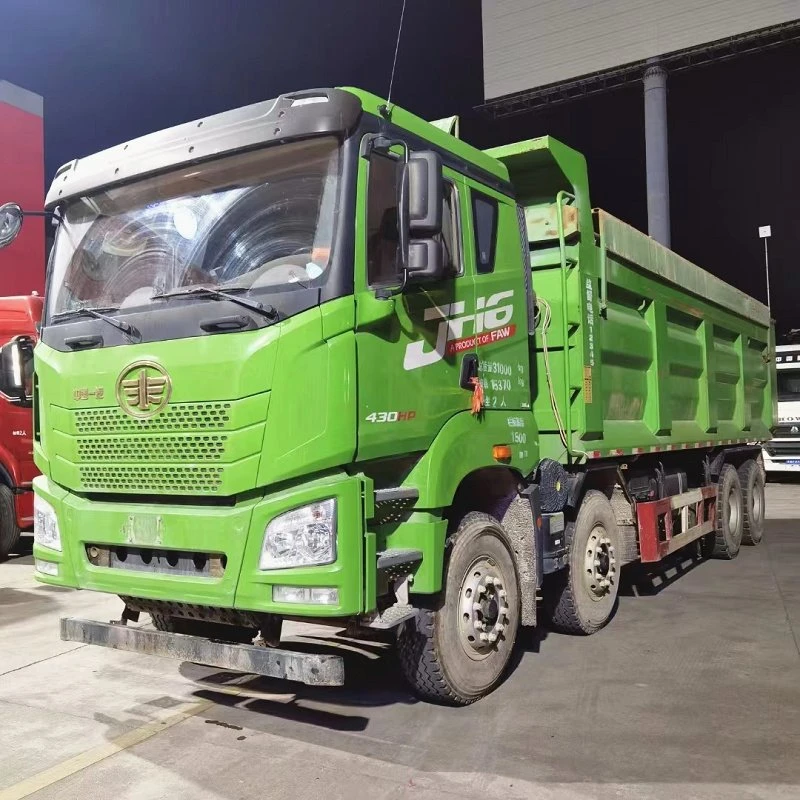
Different types of trucks have different oil change needs. For example, a FAW Dump Truck that's used for heavy - duty construction work will have different requirements compared to a light - duty delivery truck. Heavy - duty trucks like Heavy Duty Dump Truck often carry heavy loads and operate in harsh conditions. They typically require more frequent oil changes because the engine has to work harder, generating more heat and putting more stress on the oil.
Trucks that are used for long - haul trips at a relatively constant speed may not need oil changes as often. On the other hand, trucks that are used for stop - and - go traffic, like in urban delivery, will need more frequent oil changes. The constant starting and stopping puts more stress on the engine and the oil.
2. Oil Type
The type of oil you use in your truck also affects the change interval. There are two main types of oil: conventional and synthetic. Conventional oil is made from crude oil and is the most basic type of engine oil. It usually needs to be changed more often, typically every 3,000 - 5,000 miles for trucks under normal operating conditions.

Synthetic oil, on the other hand, is chemically engineered. It offers better performance in terms of lubrication, temperature resistance, and protection against wear and tear. Synthetic oil can last longer, and in some cases, you can go 7,500 - 10,000 miles or even more between oil changes, depending on the truck and its usage.
3. Driving Conditions
Harsh driving conditions will shorten the oil change interval. If you're driving in extremely hot or cold temperatures, the oil can break down faster. In hot weather, the oil can thin out, reducing its lubricating properties. In cold weather, it can thicken, making it harder for the engine to circulate.
Dusty or dirty environments are also a problem. If your truck is operating in a construction site or a mining area, the oil can quickly get contaminated with dust and debris. This means you'll need to change the oil more often to prevent engine damage.
General Oil Change Interval Guidelines
Based on the factors above, here are some general guidelines for oil change intervals:
Light - Duty Trucks
For light - duty trucks that are used for normal daily driving, such as local delivery or personal use, if you're using conventional oil, you should change the oil every 3,000 - 5,000 miles. If you're using synthetic oil, you can extend that to 7,500 - 10,000 miles.
Medium - Duty Trucks
Medium - duty trucks are often used for commercial purposes, like hauling smaller loads over short to medium distances. With conventional oil, an oil change every 5,000 - 7,500 miles is recommended. If you switch to synthetic oil, you might be able to go 10,000 - 15,000 miles between changes.
Heavy - Duty Trucks
Heavy - duty trucks, like FAW Truck Tractor used for long - haul trucking or heavy construction work, are under a lot of stress. For these trucks using conventional oil, an oil change every 5,000 - 7,500 miles is a good rule of thumb. Synthetic oil can allow you to go 10,000 - 20,000 miles, but this really depends on the specific operating conditions.
Monitoring Your Truck's Oil
While these guidelines are a good starting point, it's also important to monitor your truck's oil. Most modern trucks have an oil life monitoring system. This system takes into account factors like engine temperature, driving conditions, and the number of starts and stops to estimate when the oil needs to be changed.
You can also check the oil level and its condition regularly. If the oil looks dirty, gritty, or has a milky appearance, it's a sign that it needs to be changed. A dirty oil might be an indication that there are contaminants in the engine, while a milky appearance could mean there's coolant leaking into the oil.
Conclusion
In conclusion, the recommended oil change interval for a truck depends on several factors, including the truck type, oil type, and driving conditions. By following the general guidelines and keeping an eye on your oil, you can ensure that your truck's engine stays in good shape and runs smoothly for years to come.
If you're in the market for a new truck or need more advice on truck maintenance, don't hesitate to reach out. We're here to help you make the best decision for your business needs. Whether you've got questions about oil changes, the best truck for your specific use case, or anything else related to trucks, we've got the answers. Start the conversation today and let's find the perfect truck solution for you.
References
- "The Complete Guide to Truck Maintenance", Auto Maintenance Magazine, 2023.
- "Oil Change Best Practices for Commercial Vehicles", Fleet Management Journal, 2022.