

Hey there, fellow trucking enthusiasts! As a supplier of truck tractors, I've seen my fair share of coupling and uncoupling trailers. It's a crucial part of the job, but it can also be pretty dangerous if you're not careful. So, I thought I'd share some safety precautions to keep in mind when you're hooking up or disconnecting a trailer from a truck tractor.
First things first, let's talk about the importance of inspection. Before you even think about coupling or uncoupling a trailer, you need to do a thorough inspection of both the tractor and the trailer. Check the brakes, lights, tires, and all the other essential components to make sure they're in good working condition. This might seem like a hassle, but it can save you a lot of trouble down the road. You don't want to be out on the road with a trailer that has a faulty brake or a blown tire.
When it comes to coupling, one of the most important things is to make sure the tractor and the trailer are properly aligned. This means lining up the kingpin of the trailer with the fifth wheel of the tractor. It might sound simple, but it can be a bit tricky, especially if you're dealing with a large or heavy trailer. Take your time and use your mirrors to guide you. If you're not sure, don't hesitate to ask for help. There's no shame in getting a second pair of eyes to make sure everything is lined up correctly.

Another key safety precaution during coupling is to engage the locking mechanism properly. Once the kingpin is in the fifth wheel, you need to make sure the locking jaws are securely closed around it. You can usually tell if the locking mechanism is engaged by checking the locking indicator. It should show that the jaws are fully closed. If it doesn't, you need to stop and fix the problem before you start moving. A loose or improperly locked trailer can come off the tractor while you're driving, which is extremely dangerous.
Now, let's talk about the electrical and air connections. These are essential for the proper functioning of the trailer's brakes, lights, and other systems. When you're connecting the electrical cable, make sure it's plugged in all the way and that there are no loose connections. You should also check the air lines to make sure they're properly connected and that there are no leaks. A leak in the air lines can cause the trailer's brakes to fail, so it's crucial to address any issues right away.
Before you start moving after coupling, do a final check. Walk around the tractor and the trailer to make sure everything is secure. Check the lights to make sure they're working properly. You can also do a quick test of the brakes to make sure they're engaging and releasing as they should. This might add a few extra minutes to your pre - trip routine, but it's well worth it for your safety.
When it comes to uncoupling, the process is a bit different, but the safety precautions are just as important. First, you need to make sure the tractor is parked on a level surface. This will prevent the trailer from rolling away when you disconnect it. You should also set the parking brake on both the tractor and the trailer. This provides an extra layer of safety.
To uncouple, you need to disengage the locking mechanism of the fifth wheel. This usually involves pulling a lever or releasing a latch. Make sure you follow the manufacturer's instructions carefully. Once the locking mechanism is disengaged, you can slowly back the tractor away from the trailer. Keep an eye on the kingpin and the fifth wheel to make sure they separate smoothly.
After the tractor is separated from the trailer, you need to disconnect the electrical and air connections. Just like when you were coupling, make sure you do this carefully to avoid any damage to the cables or lines. You should also lower the trailer's landing gear to support the weight of the trailer. Make sure the landing gear is fully extended and stable before you leave the trailer.
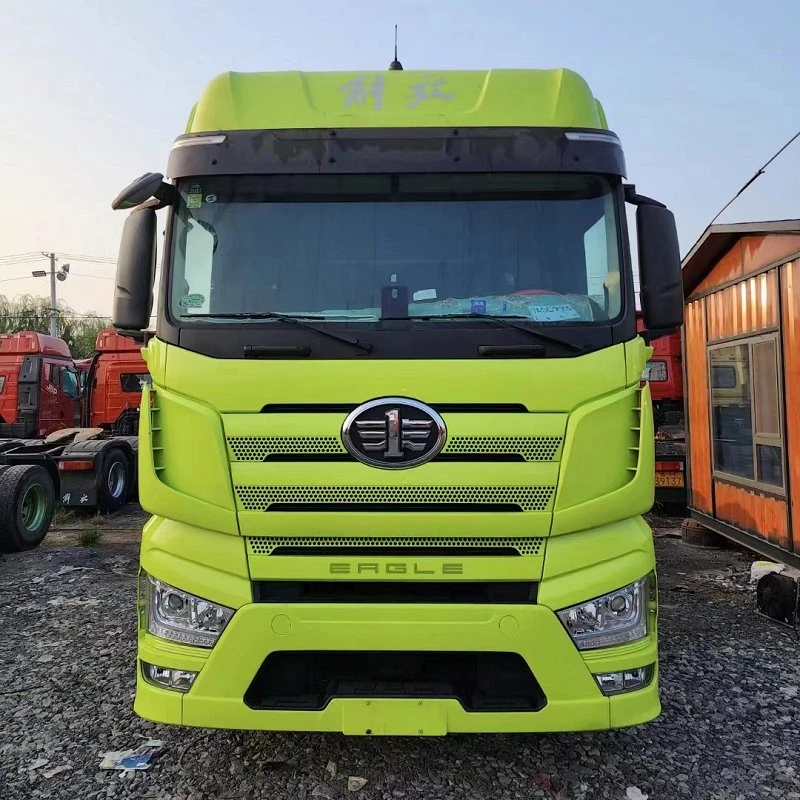
Now, let me tell you a bit about the trucks we offer at our company. We have some great options, like the Jiefang FAW JH6 6X4 TRACTOR TRUCK. This truck is known for its reliability and performance. It's equipped with a powerful engine and a high - quality fifth wheel, which makes coupling and uncoupling trailers a breeze.
Another popular choice is the FAW Truck Tractor. It's a versatile and durable truck that can handle a variety of trailers. Whether you're hauling heavy loads or light cargo, this truck has the power and stability you need.
And if you're looking for something with a bit more horsepower, the Dongfeng Tianlong KL 465HP is a great option. With its high - powered engine, it can easily tow large and heavy trailers. It also has advanced safety features that make coupling and uncoupling even safer.
If you're in the market for a new truck tractor, I encourage you to reach out to us. We have a team of experts who can help you find the right truck for your needs. Whether you're a small - business owner or part of a large fleet, we can provide you with the information and support you need to make an informed decision.
In conclusion, coupling and uncoupling a trailer from a truck tractor requires careful attention to detail and strict adherence to safety precautions. By following these tips, you can reduce the risk of accidents and ensure a safe and successful haul. Remember, safety should always be your top priority when you're on the road.
References
- Trucking Safety Handbook: A guide published by the trucking industry for best practices in coupling and uncoupling trailers.
- Manufacturer's manuals for various truck tractors and trailers, which provide detailed instructions on coupling and uncoupling procedures.