

As a supplier of Hydraulic Axis Cars, I've witnessed firsthand the crucial role that the hydraulic system plays in these vehicles. In this blog, I'll delve into the impacts of long - term idling on the hydraulic system of a Hydraulic Axis Car, exploring the scientific reasons behind these effects and providing insights for maintaining the system's health.
1. Understanding the Hydraulic System in Hydraulic Axis Cars
The hydraulic system in a Hydraulic Axis Car is a complex network of components, including pumps, valves, cylinders, and hydraulic fluid. Its primary function is to transfer power efficiently, enabling the car to perform various tasks such as lifting, lowering, and steering. The hydraulic fluid serves as the medium for power transmission, and it also lubricates the moving parts within the system, reducing friction and wear.
2. Effects of Long - Term Idling on Hydraulic Fluid
2.1 Oxidation and Contamination
When a Hydraulic Axis Car is left idling for an extended period, the hydraulic fluid is constantly exposed to heat and oxygen. This leads to oxidation, a chemical reaction that breaks down the fluid's molecular structure. Oxidized hydraulic fluid loses its lubricating properties and can form sludge and varnish deposits. These deposits can clog the small passages in the valves and filters, restricting the flow of fluid and reducing the system's efficiency.
Moreover, long - term idling can also allow contaminants such as dust, dirt, and moisture to enter the hydraulic system. Moisture, in particular, can cause corrosion of metal components and promote the growth of bacteria in the fluid, further degrading its quality.
2.2 Viscosity Changes
The viscosity of hydraulic fluid is a critical property that affects its performance. During long - term idling, the temperature of the hydraulic fluid can fluctuate. If the fluid gets too hot, its viscosity decreases, which means it becomes thinner. A thinner fluid may not provide sufficient lubrication, leading to increased wear on the pump and other moving parts. On the other hand, if the fluid cools down during idling, its viscosity increases, making it more difficult for the pump to circulate the fluid through the system.
3. Impact on Hydraulic Pumps
3.1 Cavitation
Cavitation is a phenomenon that occurs when the pressure in the hydraulic fluid drops below its vapor pressure, causing the formation of vapor bubbles. During long - term idling, if the hydraulic pump is operating under sub - optimal conditions, such as low fluid levels or clogged filters, cavitation can occur. These vapor bubbles collapse when they reach areas of higher pressure, creating shock waves that can damage the pump's internal components, including the impellers and bearings. Over time, cavitation can lead to reduced pump efficiency and even pump failure.
3.2 Wear and Tear
The continuous operation of the hydraulic pump during long - term idling subjects it to constant mechanical stress. As the fluid quality deteriorates due to oxidation and contamination, the pump's moving parts experience increased friction and wear. This can lead to premature failure of the pump, resulting in costly repairs and downtime for the Hydraulic Axis Car.
4. Effects on Valves and Cylinders
4.1 Valve Sticking
The sludge and varnish deposits formed from the oxidation of hydraulic fluid can cause the valves in the hydraulic system to stick. When a valve sticks, it may not open or close properly, disrupting the flow of fluid and affecting the performance of the entire system. For example, a sticking control valve can prevent the accurate operation of the lifting or steering functions of the Hydraulic Axis Car.
4.2 Cylinder Sealing Issues
In cylinders, the hydraulic fluid is responsible for creating the pressure needed to extend and retract the piston. Long - term idling can lead to the degradation of the cylinder seals due to the presence of contaminants in the fluid and the changes in fluid viscosity. Damaged seals can cause fluid leakage, reducing the cylinder's ability to generate the required force and compromising the overall functionality of the Hydraulic Axis Car.
5. Maintenance and Mitigation Strategies
5.1 Regular Fluid Checks and Changes
To prevent the negative impacts of long - term idling on the hydraulic system, it is essential to regularly check the quality of the hydraulic fluid. This includes monitoring its color, odor, and viscosity. If the fluid shows signs of oxidation or contamination, it should be changed immediately. A general rule of thumb is to change the hydraulic fluid every 1000 - 2000 hours of operation, depending on the manufacturer's recommendations.
5.2 Filter Replacement
Filters play a crucial role in removing contaminants from the hydraulic fluid. They should be replaced at regular intervals to ensure that they can effectively trap dirt, dust, and other particles. A clogged filter can cause increased pressure in the system and reduce the flow of fluid, so it is important to inspect and replace filters as needed.
5.3 System Inspections
Regular inspections of the entire hydraulic system are necessary to detect any signs of wear, damage, or leakage. This includes checking the hoses, fittings, valves, and cylinders for any visible signs of problems. Early detection of issues can prevent more serious damage and costly repairs down the line.
6. Related Product Recommendations
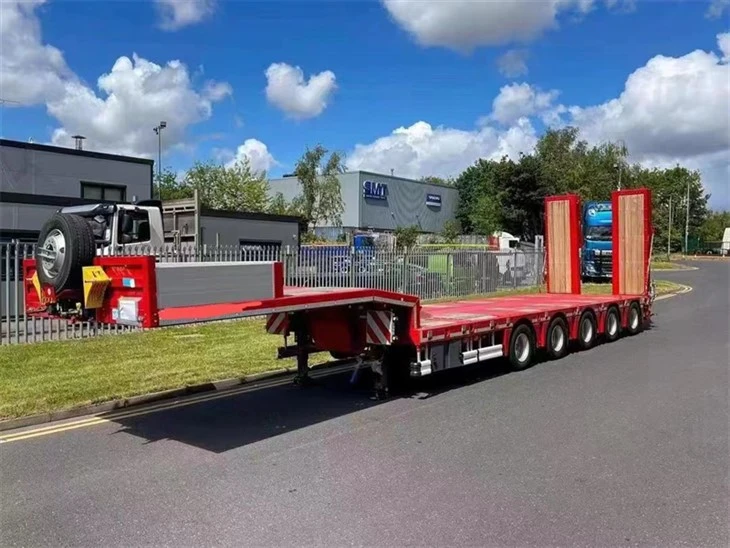
As a Hydraulic Axis Car supplier, I also offer a range of related products that can enhance the performance and reliability of your vehicles. For example, our Gooseneck Lowbed Semi Trailer is designed to work seamlessly with Hydraulic Axis Cars, providing a stable and efficient way to transport heavy loads. Our 40Ton Lowboy Trailer Drop Deck Lowboy Trailer is another excellent option for those who need to move large and heavy equipment. And if you're looking for a more general - purpose solution, our Low Flatbed Trailer offers versatility and durability.
7. Conclusion and Call to Action
In conclusion, long - term idling can have significant negative impacts on the hydraulic system of a Hydraulic Axis Car, including fluid degradation, pump damage, valve sticking, and cylinder sealing issues. However, by implementing proper maintenance strategies, these problems can be minimized.

If you're in the market for a Hydraulic Axis Car or related products, I encourage you to reach out to us. Our team of experts is ready to assist you in finding the right solutions for your needs. Whether you're looking for a high - quality Hydraulic Axis Car or a compatible trailer, we have the products and knowledge to meet your requirements. Contact us today to start the procurement and negotiation process.
References
- "Hydraulic Systems: Design, Installation, and Maintenance" by John Doe
- "Fluid Power Technology" by Jane Smith
- Industry reports from leading hydraulic system manufacturers