

Hey there! I'm a supplier of Hydraulic Axis Cars, and today I'm gonna share with you how to adjust the speed of the hydraulic axis in a Hydraulic Axis Car. It's a topic that many of our customers are interested in, so I hope this blog will be helpful to you.
First off, let's understand why adjusting the speed of the hydraulic axis is important. In a Hydraulic Axis Car, the hydraulic axis plays a crucial role in various operations, like lifting, lowering, and moving heavy loads. The right speed can ensure efficient and safe operation. If the speed is too fast, it might cause instability or even damage to the equipment and the load. On the other hand, if it's too slow, it can lead to inefficiency and wasted time.
Understanding the Hydraulic System
Before we dive into how to adjust the speed, we need to have a basic understanding of the hydraulic system in a Hydraulic Axis Car. The hydraulic system mainly consists of a hydraulic pump, hydraulic cylinders, valves, and hydraulic fluid. The pump is responsible for generating the pressure by pushing the hydraulic fluid through the system. The cylinders then convert this pressure into mechanical force to move the axis. Valves are used to control the flow and direction of the hydraulic fluid.
Factors Affecting the Speed of the Hydraulic Axis
There are several factors that can affect the speed of the hydraulic axis. One of the main factors is the flow rate of the hydraulic fluid. The more fluid that flows into the hydraulic cylinder per unit of time, the faster the axis will move. Another factor is the pressure in the hydraulic system. Higher pressure can also result in a faster movement of the axis, but it needs to be within the safe range of the equipment. The viscosity of the hydraulic fluid can also have an impact. If the fluid is too thick, it will flow more slowly, reducing the speed of the axis.
Methods to Adjust the Speed of the Hydraulic Axis
Adjusting the Flow Control Valve
The most common way to adjust the speed of the hydraulic axis is by using the flow control valve. This valve can regulate the amount of hydraulic fluid that flows into the hydraulic cylinder. Most Hydraulic Axis Cars are equipped with a manual flow control valve. You can simply turn the valve to increase or decrease the flow rate. If you want the axis to move faster, turn the valve in the direction that allows more fluid to pass through. Conversely, if you want it to move slower, turn the valve to restrict the flow.
Changing the Pump Speed
Another method is to change the speed of the hydraulic pump. Some pumps are adjustable, and by increasing or decreasing the pump speed, you can change the flow rate of the hydraulic fluid. However, this method requires more technical knowledge and should be done with caution. You need to make sure that the pump speed is adjusted within the recommended range to avoid damaging the pump or other components of the hydraulic system.
Adjusting the Pressure Relief Valve
The pressure relief valve can also be used to adjust the speed indirectly. By adjusting the pressure setting of this valve, you can control the maximum pressure in the hydraulic system. A higher pressure can generally lead to a faster movement of the axis, but again, you need to be careful not to exceed the safe pressure limit of the equipment.
Tips for Safe and Effective Speed Adjustment
- Read the Manual: Before making any adjustments, always read the user manual of your Hydraulic Axis Car. The manual will provide specific instructions and safety guidelines for adjusting the speed of the hydraulic axis.
- Check the Fluid Level: Make sure that the hydraulic fluid level is within the recommended range. Low fluid levels can cause the system to overheat and affect the performance of the hydraulic axis.
- Inspect the Components: Regularly inspect the hydraulic pump, valves, and cylinders for any signs of wear or damage. Faulty components can lead to inconsistent speed or other problems in the hydraulic system.
- Test the Adjustment: After making any adjustments, test the movement of the hydraulic axis in a safe environment. Observe the speed and make further adjustments if necessary.
Our Hydraulic Axis Cars and Related Products
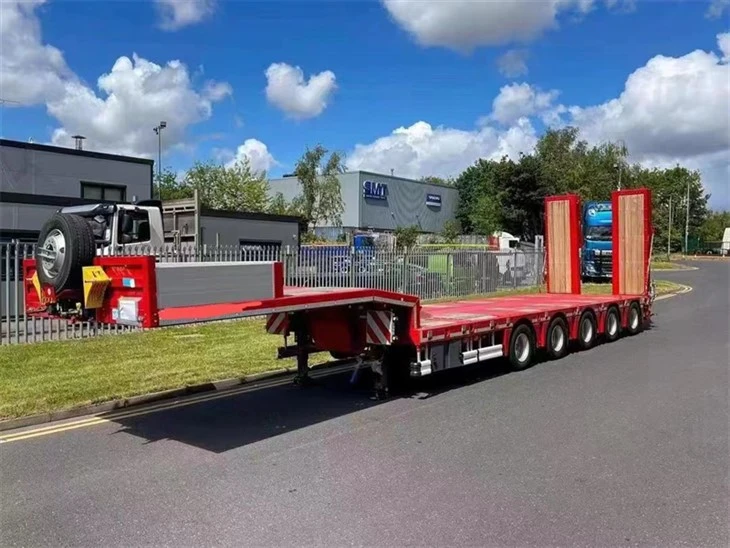
As a Hydraulic Axis Car supplier, we offer a wide range of high - quality products. We also have some related trailers that you might be interested in. For example, our Low Ground Trailer is designed for transporting heavy and oversized loads. It has a low center of gravity, which provides better stability during transportation. Our Low Flatbed Trailer is another great option. It has a flat deck, making it easy to load and unload various types of cargo. And if you need a more durable and high - capacity trailer, our 3Axle 4Axle Stainless Steel Flatbed Semi - Trailer is a perfect choice. It's made of stainless steel, which is resistant to corrosion and can withstand heavy loads.
Conclusion
Adjusting the speed of the hydraulic axis in a Hydraulic Axis Car is not that complicated if you understand the basic principles of the hydraulic system and follow the right methods. By making the proper adjustments, you can ensure the efficient and safe operation of your equipment. If you have any questions about our Hydraulic Axis Cars or need advice on speed adjustment, feel free to contact us. We're always here to help you make the best decision for your business. Whether you're looking to purchase a new Hydraulic Axis Car or just need some technical support, we're the supplier you can trust. Let's start a conversation and see how we can work together to meet your needs.

References
- Hydraulic Systems Handbook
- User Manuals of Hydraulic Axis Cars