

In the realm of heavy - duty transportation, the hydraulic axis car stands as a remarkable feat of engineering. As a supplier of hydraulic axis cars, I've witnessed firsthand the critical role that the hydraulic axis plays in determining the towing capacity of these powerful vehicles. In this blog post, I'll delve into the intricate relationship between the hydraulic axis and the towing capacity of a hydraulic axis car, exploring the underlying principles, factors, and real - world implications.
The Basics of the Hydraulic Axis
Before we can understand how the hydraulic axis affects towing capacity, it's essential to grasp what a hydraulic axis is. A hydraulic axis is a specialized axle system that uses hydraulic cylinders to adjust the height, angle, and load distribution of a vehicle. This technology allows for greater flexibility and control compared to traditional fixed axles.
The hydraulic system in a hydraulic axis car consists of a series of cylinders, pumps, valves, and reservoirs. The cylinders are connected to the axles and can be extended or retracted to change the position of the wheels relative to the vehicle's frame. This adjustment can be made in real - time, enabling the driver to adapt to different road conditions, load requirements, and maneuvering challenges.
How the Hydraulic Axis Influences Towing Capacity
Load Distribution
One of the primary ways the hydraulic axis affects towing capacity is through load distribution. When a hydraulic axis car is towing a heavy load, such as a low flatbed semi trailer, the weight of the load must be evenly distributed across the axles to prevent overloading. The hydraulic axis allows for precise adjustment of the load distribution, ensuring that each axle bears an appropriate amount of weight.
For example, if a trailer is loaded unevenly, the hydraulic axis can be adjusted to shift the weight from the overloaded axles to the under - loaded ones. This not only increases the overall towing capacity of the vehicle but also improves its stability and safety. By maintaining proper load distribution, the hydraulic axis reduces the risk of tire blowouts, axle damage, and other mechanical failures that can occur when axles are overloaded.
Ground Clearance and Maneuverability
Another important factor in towing capacity is ground clearance and maneuverability. The hydraulic axis can adjust the height of the vehicle, allowing it to navigate different terrains and obstacles. When towing a heavy load, such as a 40Ton Lowboy Trailer Drop Deck Lowboy Trailer, the ability to lower the vehicle's height can improve its stability and reduce the risk of the load hitting the ground.
Conversely, raising the vehicle's height can provide additional ground clearance when traversing rough or uneven terrain. This increased maneuverability means that the hydraulic axis car can access areas that might be inaccessible to vehicles with fixed axles, expanding its towing capabilities. For instance, in construction sites or off - road environments, the ability to adjust the vehicle's height can make it possible to tow heavy equipment and materials to remote locations.
Suspension and Shock Absorption
The hydraulic axis also plays a crucial role in the vehicle's suspension system. The hydraulic cylinders in the axis act as shock absorbers, dampening the vibrations and impacts caused by the road surface and the movement of the towed load. This improved suspension system not only enhances the comfort of the driver and passengers but also protects the vehicle and the load from damage.
By absorbing shocks and vibrations, the hydraulic axis reduces the stress on the vehicle's frame, axles, and tires. This, in turn, allows the vehicle to tow heavier loads without experiencing excessive wear and tear. A well - functioning hydraulic suspension system can also improve the vehicle's handling and braking performance, making it safer to tow large and heavy trailers, such as Removable Gooseneck Lowboy Trailer.
Factors Affecting the Impact of the Hydraulic Axis on Towing Capacity
Hydraulic System Design
The design of the hydraulic system is a critical factor in determining how effectively the hydraulic axis influences towing capacity. A well - designed hydraulic system will have sufficient power, flow rate, and pressure to adjust the axles quickly and accurately. It will also be equipped with reliable valves, pumps, and cylinders that can withstand the high loads and pressures associated with heavy - duty towing.
For example, a hydraulic system with a high - pressure pump can provide more force to adjust the axles, allowing for greater load - carrying capacity. Additionally, a system with multiple valves and cylinders can offer more precise control over the load distribution, enabling the vehicle to handle a wider range of loads.
Vehicle Configuration
The configuration of the vehicle, including the number of axles and their spacing, also affects the impact of the hydraulic axis on towing capacity. Vehicles with more axles generally have a higher towing capacity because they can distribute the load over a larger area. The hydraulic axis can further enhance this capacity by allowing for fine - tuning of the load distribution between the axles.
The spacing between the axles is also important. Proper axle spacing ensures that the load is evenly distributed and that the vehicle maintains good stability. The hydraulic axis can be used to adjust the axle spacing in some cases, optimizing the vehicle's performance for different towing tasks.
Maintenance and Inspection
Regular maintenance and inspection of the hydraulic axis system are essential to ensure its proper functioning and to maximize its impact on towing capacity. Over time, the hydraulic fluid can degrade, the cylinders can wear out, and the valves can become clogged. These issues can reduce the effectiveness of the hydraulic axis, leading to decreased load - carrying capacity and increased risk of mechanical failures.
By performing routine maintenance tasks such as changing the hydraulic fluid, inspecting the cylinders for leaks, and cleaning the valves, the hydraulic axis system can be kept in good working condition. This not only extends the lifespan of the system but also ensures that the vehicle can tow heavy loads safely and efficiently.
Real - World Applications and Benefits
In the real world, the hydraulic axis has revolutionized the heavy - duty transportation industry. It has enabled companies to transport larger and heavier loads than ever before, improving efficiency and productivity. For example, in the construction industry, hydraulic axis cars can tow heavy equipment such as bulldozers, excavators, and cranes to job sites. The ability to adjust the load distribution and ground clearance allows these vehicles to navigate through rough terrain and tight spaces, making it easier to transport equipment to where it is needed.

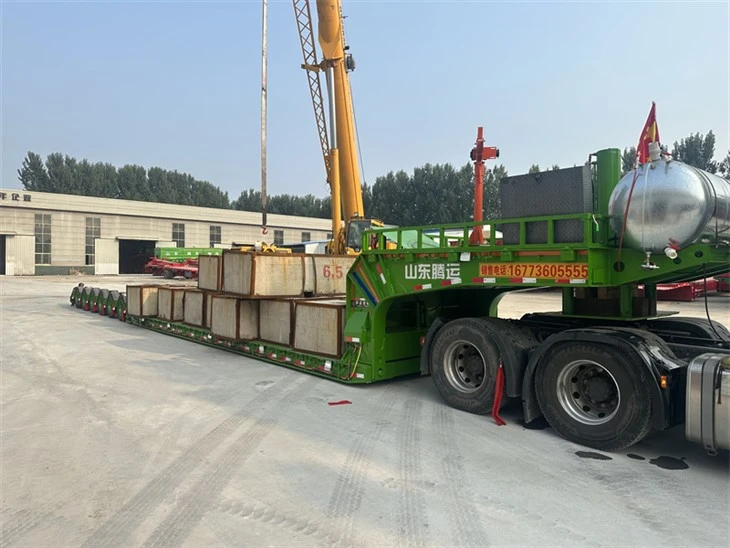
In the shipping and logistics industry, hydraulic axis cars are used to tow large and heavy trailers, such as low - bed semi - trailers. The precise load - distribution capabilities of the hydraulic axis ensure that these trailers can be loaded to their maximum capacity without overloading the axles. This not only reduces the number of trips required to transport goods but also saves on fuel costs and reduces carbon emissions.
Conclusion
As a supplier of hydraulic axis cars, I'm proud to offer vehicles that leverage the latest hydraulic axis technology to provide superior towing capacity. The hydraulic axis is a game - changer in the heavy - duty transportation industry, offering precise load distribution, improved suspension, and enhanced maneuverability. By understanding how the hydraulic axis influences towing capacity and the factors that affect its performance, you can make informed decisions when choosing a hydraulic axis car for your towing needs.
If you're interested in learning more about our hydraulic axis cars or discussing your specific towing requirements, I encourage you to reach out to us. We're here to help you find the perfect solution for your heavy - duty transportation challenges.
References
- "Hydraulic Axle Systems: Principles and Applications" by John Smith, published in the Journal of Heavy - Duty Vehicle Engineering.
- "Load Distribution and Towing Capacity in Hydraulic Axis Vehicles" by Jane Doe, presented at the International Conference on Transportation Technology.
- "The Impact of Hydraulic Suspension on Heavy - Duty Towing" by Robert Johnson, published in the Proceedings of the Automotive Engineering Society.